Creating outdoor living spaces that balance functionality with aesthetics can transform a residential property into a haven for relaxation and play. The design of these spaces should cater to the lifestyle of the inhabitants while enhancing the overall value of the home. From choosing the right plants to selecting durable materials, every decision impacts how well these areas serve their intended purpose.
Understanding Your Space
Before diving into specific design elements, it's crucial to understand the unique characteristics of your property. Every residential landscape has its individual quirks — from sunlight exposure to soil type, wind patterns, and existing vegetation. A thorough assessment allows for informed decisions that lead to successful outdoor environments.
For example, if your backyard receives full sun most of the day, it might be ideal for a garden filled with vibrant flowers or vegetables. Conversely, shaded areas could benefit from cool-toned plants or even a cozy seating arrangement under trees or pergolas.
Defining Purpose: Zones in Outdoor Spaces
Effectively using your outdoor area often requires dividing it into distinct zones based on function. Common zones include:
Relaxation Zone: This is typically a seating area designed for leisure activities such as reading or socializing. Comfortable furniture and shade structures like umbrellas or pergolas can enhance this space.
Play Zone: If you have children, incorporating a play area with safe surfaces is essential. This might include features like swings, slides, or even a sandpit.
Dining Zone: An outdoor dining area encourages al fresco meals with family and friends. Consider integrating features like an outdoor kitchen or grill nearby for added convenience.
Garden Zone: Whether it's ornamental planting beds or vegetable patches, dedicating a portion of your yard to gardening can provide beauty and sustenance.
Pathways: Pathways connect these zones while guiding movement around your property. They can be constructed from various materials such as stone, gravel, or pavers and contribute significantly to the overall aesthetic.
By defining these zones clearly, you create an organized layout that enhances usability while also offering visual appeal.
Choosing Materials Wisely
Selecting materials for hardscaping elements such as patios, paths, and retaining walls is one of the most critical aspects of landscape design. The right materials not only dictate the longevity of your installations but also influence maintenance needs and aesthetic coherence with your home’s architecture.
Natural stone provides an organic look that blends seamlessly with plant life but may require more effort in installation and cost compared to concrete pavers which are available in various styles and colors. On the other hand, composite decking offers low maintenance yet mimics traditional wood's appearance without succumbing easily to rot or pests.
When planning hardscaping projects, consider local climate conditions as well; certain materials perform better in specific environments than others. For instance, porous stones can absorb water but may not be ideal in freeze-thaw cycles where expansion and contraction could cause cracking.
Integrating Softscaping Elements
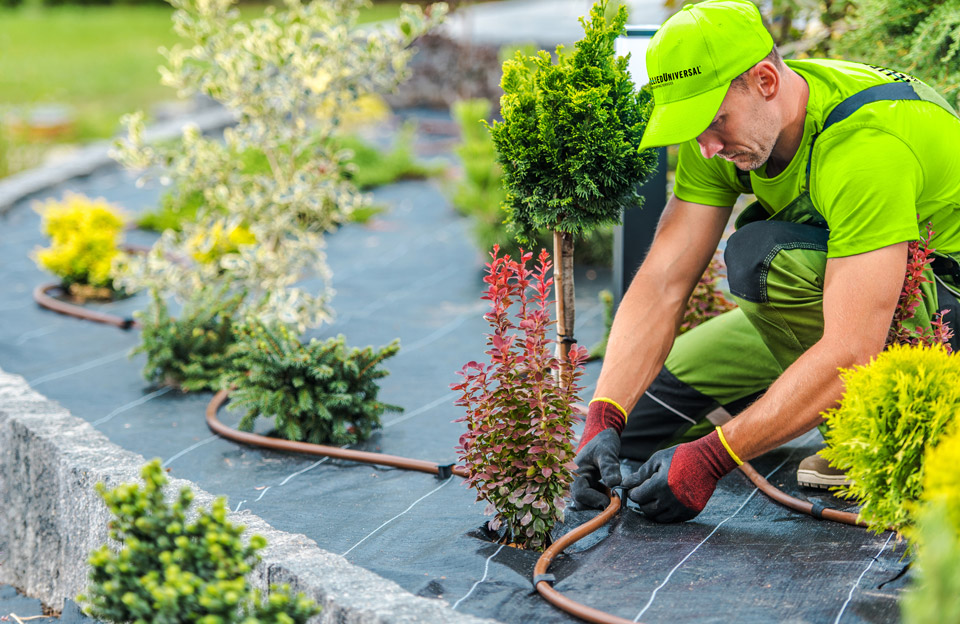
While hardscaping lays down structure in your outdoor space, softscaping introduces life through plants and greenery. Selecting appropriate vegetation involves understanding both aesthetic preferences and environmental requirements such as drought tolerance or pest resistance.
Incorporating native plants not only supports local wildlife but also minimizes water usage since these species are adapted to thrive in local conditions without extensive care once established. Layering different heights of plants creates depth — taller specimens at the back with shorter ones in front can make otherwise flat landscapes feel dynamic.
Think about seasonal interest too; choosing plants that bloom at different times ensures that there’s always something visually appealing throughout the year whether it's spring blossoms or fall foliage.
Lighting: The Finishing Touch
Once you have established home landscaping functional zones through thoughtful landscaping choices, consider how lighting can enhance these spaces after sunset. Effective outdoor lighting extends usability into evening hours while adding ambiance that's perfect for gatherings or quiet moments alike.
Installing pathway lights guides guests safely through your yard while highlighting key features such as trees or sculptures along the way. String lights draped over Click for info seating areas create an inviting atmosphere perfect for late-night conversations under stars.
Solar-powered fixtures are an energy-efficient option requiring minimal installation effort while providing ample illumination wherever needed around gardens or patios without running up electricity bills.
Maintenance Considerations
Designing beautiful outdoor living spaces goes hand-in-hand with ensuring they remain pristine over time through regular maintenance practices tailored to specific installations — whether it’s lawn care routines involving mowing schedules or seasonal pruning techniques for shrubs.
Choosing low-maintenance plants can alleviate some burdens; however, investing in quality landscaping services ensures that all aspects are cared for properly without overwhelming homeowners who may lack time expertise necessary for upkeep tasks themselves such as weeding flower beds regularly throughout growing seasons!
Professional residential landscaping services often offer maintenance packages covering everything from fertilization schedules down through pest control measures tailored specifically according to each unique environment present within residential properties!
Conclusion on Creating Functional Spaces
The goal of creating outdoor living spaces revolves around designing areas that resonate with personal style while meeting practical needs—balancing beauty alongside utility contributes significantly toward making homes truly livable! Careful consideration during planning stages pays dividends later when enjoying picturesque landscaped yards suitable both relaxation moments spent alone outdoors alongside lively family gatherings—ultimately turning residences into cherished sanctuaries!
As trends evolve toward increasingly functional designs focused on maximizing enjoyment derived from nature itself—whether it means building fire pits encouraging cozy evenings spent outdoors sharing stories among friends—or putting together stylish lounges equipped enough entertain guests during summer barbeques—all facets combine form beautiful landscapes sure impress neighbors alike!